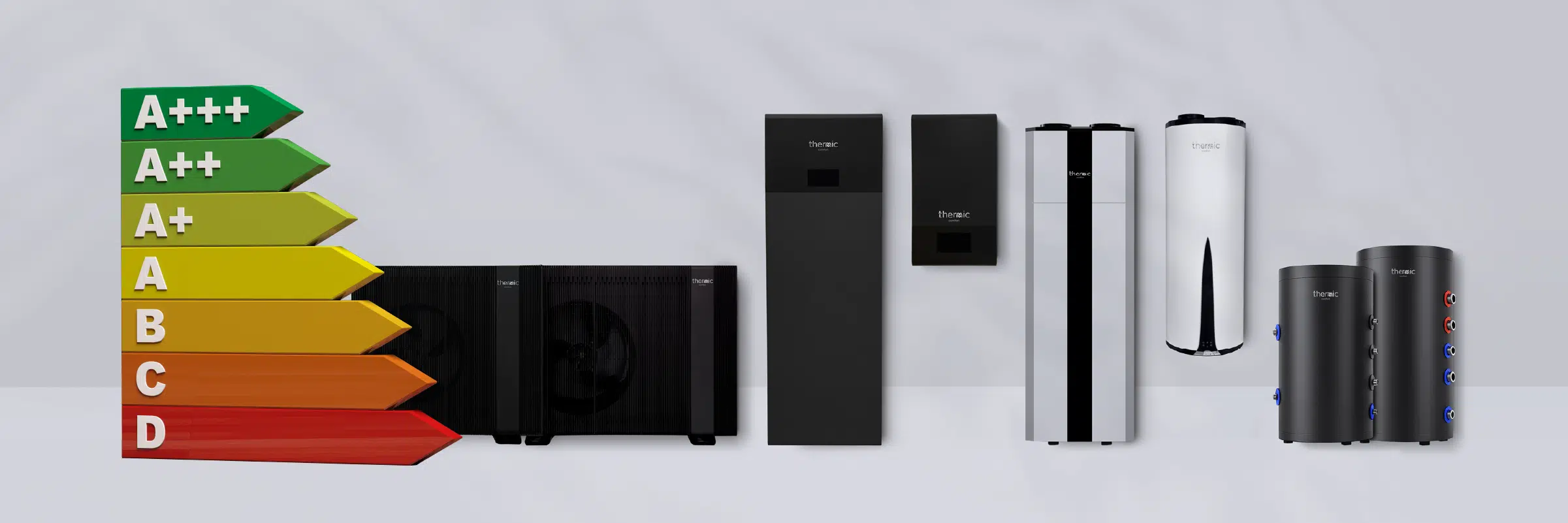
A+++ Energy Efficiency: What you should know about Elda
This guide explores energy efficiency at its maximum rating, A+++. This factor is decisive in the choice of devices such as Elda heat pumps, due to their environmental impact and long-term economic savings. The A+++ label indicates optimal energy consumption, and understanding its real benefits is crucial.
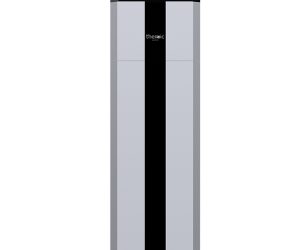
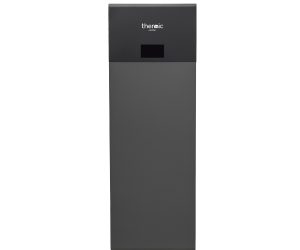
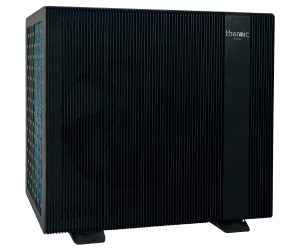
Elda heat pumps represent the forefront of energy efficiency, reaching the A+++ rating. Its exceptional performance is powered by the use of naturally lower GWP than traditional refrigerants. This combination of advanced technology and eco-friendly coolant ensures minimal power consumption, high heating and cooling capacity, and contributes directly to the reduction of the environmental footprint. Choosing Elda is opting for sustainability without sacrificing maximum comfort.
Origin and evolution of energy efficiency labels
The energy-efficient labels emerged to inform consumers of the performance of the products. Initially, the scale went from A (maximum efficiency) to G (minimum). With technological advances, many products exceeded Class A, which led to the introduction of additional categories: A+, A++ and A+++.
This reclassification made it possible to differentiate between devices that, although they were all efficient, presented significant variations in consumption. Currently, European regulations have simplified the scale in some sectors, eliminating the “+” signs and returning to the A–G scale with more stringent criteria. For more details on current legislation, see the European Commission.
Check all our user manuals and installation
The manual for your product and solution Thermic Comfort
Select your manual or documentation
Most common areas of application
The A+++ tag is mainly found in high-consumption appliances. Small improvements in efficiency generate large impacts. The most common products include: Elda heat pumps (where reductions in consumption are amplified by their continuous operation), washing machines and dishwashers (also assessing the efficient use of water) and air conditioners and heaters.
In the case of air conditioning, efficiency is measured by coefficients such as SEER (Seasonal Energy Efficiency Ratio) or SCOP (Seasonal Coefficient of Performance). The classification is also found in screens and monitors, since the transition to technologies such as OLED has allowed maximum efficiency to be achieved.
Benefits of opting for A+++ devices
The main advantage is the reduction of energy consumption, which leads to two direct impacts. Economic savings are achieved because the initial investment is amortized thanks to lower spending on electricity. In addition, it contributes to the reduction of the environmental footprint by reducing dependency on non-renewable sources and CO₂ emissions.
Products with this classification usually incorporate advanced technologies that improve their durability and performance, such as self-diagnostic systems or low consumption modes that do not compromise their functionality. To calculate the savings potential, you can consult tools provided by the IDAE (Institute for Diversification and Saving of Energy).
Elda heat pumps represent the forefront of energy efficiency, reaching the A+++ rating. Its exceptional performance is powered by the use of gas Natural refrigerant R290, which has a drastically lower global warming potential (GWP) compared to traditional refrigerants. This combination of advanced technology and eco-friendly coolant ensures minimal power consumption, high heating and cooling capacity, and directly contributes to the reduction of the environmental footprint. Choosing Elda is opting for sustainability without sacrificing maximum comfort.
Limitations and practical considerations
Despite its advantages, A+++ efficiency should not be the only selection criteria. It is necessary to evaluate the actual use of the device, the initial cost versus long-term savings and compatibility with renewable energy. An A+++ refrigerator model in a house with few inhabitants may not justify its additional cost compared to an A++ model.
The obsolescence of labels with “+” signs in favor of the new A–G scale can generate confusion. Consumers should check if the product follows current regulations or if it corresponds to a previous version, to have a precise reference of its performance.
The future of energy efficiency
Efficiency standards continue to evolve. The next generation of devices will seek to integrate into intelligent electrical networks (*Smart Grids*) and home automation systems to optimize their operation. In this context, the A+++ tag represents a milestone, but not the end point in the search for energy sustainability.
We create sustainable energy solutions for your home
Comfort and energy efficiency should be a right, not a luxury.