The best place to install Elda: Expert Level
The selection of the optimal location for a heat pump is a critical factor that directly influences its operational efficiency, durability and the acoustic comfort of the environment. This decision process should be based on a comprehensive technical evaluation that considers the equipment characteristics, the environmental conditions of the site and the requirements of the installation.
Outdoor Unit Considerations
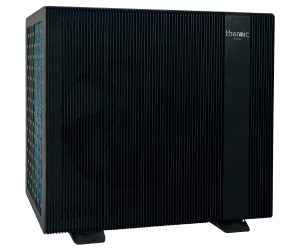
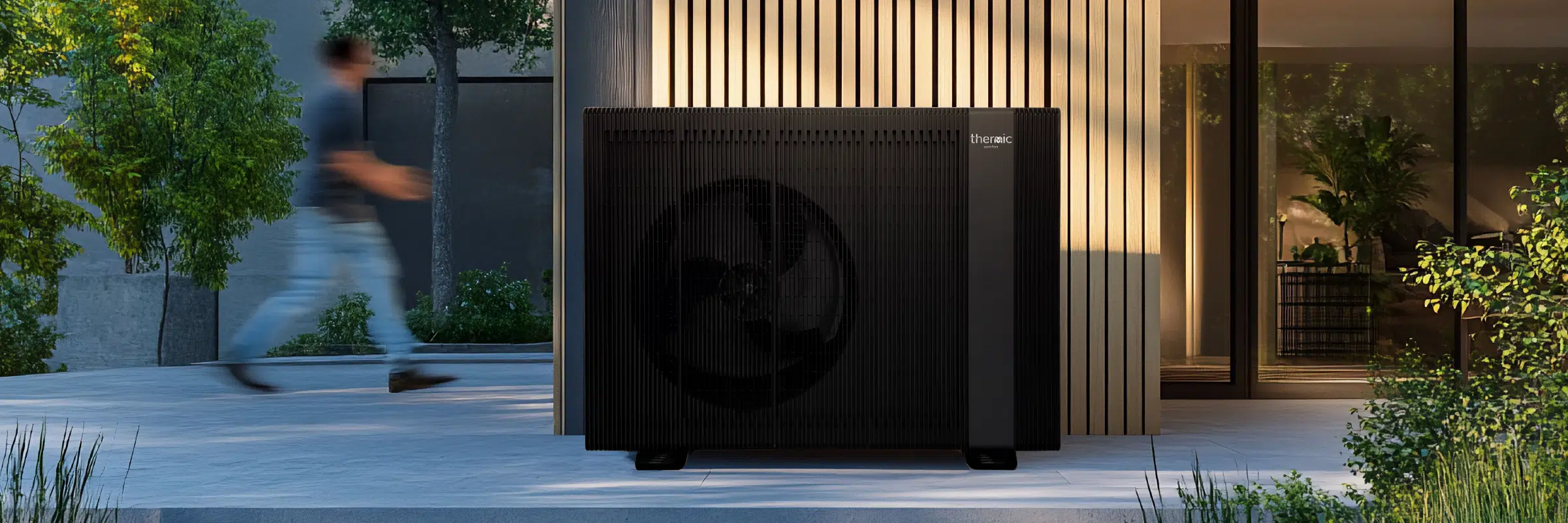
The outdoor unit exchanges thermal energy with the environment. Its ideal location maximizes performance and minimizes disturbances. An unrestricted airflow is crucial; Avoid installing the unit in confined spaces or very close to obstacles (walls, fences, vegetation). Manufacturers recommend a minimum separation distance, often from 300 mm to 1 meter, on all sides. You can consult the general design guidelines in the installation guides of the International Energy Agency (IEA).

Noise mitigation
Although modern models such as the Elda series have reduced sound levels, 38 to 44 dB(A), it is vital to place them away from bedrooms and neighboring properties to prevent discomfort. If space is limited, use natural barriers, such as hedges, that do not compromise essential airflow. See local regulations on environmental noise, which often require not to exceed 42 dB(A) measured at the property limit.
Structural support and drainage
The outdoor unit must go on a solid and level base that absorbs vibrations, elevated between 10 and 15 cm. This protects the equipment from snow and debris. It is vital to have adequate drainage for condensation, free of obstructions to prevent the formation of ice in winter. You can consult information on drainage and defrosting systems in the Technical Building Code (CTE).
Check all our user manuals and installation
The manual for your product and solution Thermic Comfort
Select your manual or documentation
Exposure to the elements and distance
Although the units are designed for weathering (IPX4 class), avoid direct and prolonged exposure to the intense sun. Areas prone to extreme temperature fluctuations or cold air should also be avoided. Always review the manufacturer’s technical specifications on the Degree of protection IP. Construction regulations require a minimum distance of one meter from the limits of the property.

Indoor Unit Considerations
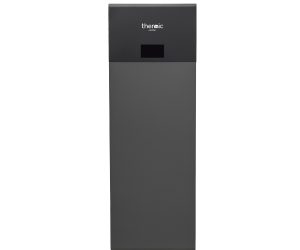
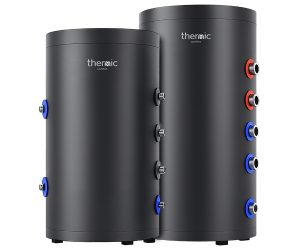
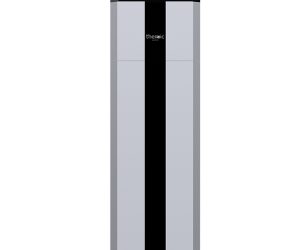
Indoor units, such as HS10 models (designed for indoor use – IPX1) or domestic hot water accumulators, require a strategic location to ensure optimum performance. A key factor is the proper location and ventilation for the system.
location and ventilation
Basements, machine rooms, service rooms or technical spaces are the ideal places for indoor units. These spaces are usually cooler, which contributes to the efficiency of the heat pump. In addition, they provide enough space for the unit and its connections. It is crucial that the place has adequate ventilation for the performance and useful life of the system.
Proximity to points of consumption
For the heat pump systems dedicated to domestic hot water (ACS), the proximity to the points of greatest consumption is vital. Installing the unit near bathrooms and kitchens minimizes heat loss through long pipes, ensuring a fast and efficient supply of hot water to users. This improves both comfort and energy efficiency.
Sound level and vibrations
Although the indoor units are very quiet (for example, HS10 at 30 dB(A)), it is advisable to install them in locations where the noise does not cause interruptions, especially away from bedrooms or study areas. Installation on a level surface and the use of flexible connections help reduce the transmission of vibrations to the building structure, while maintaining acoustic comfort.
Accessibility and maintenance
As with the outdoor units, the indoor unit must be easily accessible for inspections, maintenance and possible repairs. Ensuring a clear space around the unit is essential for technicians to work without restrictions, minimizing service time and risk of damage.
Dimensions and load capacity
The dimensions of the units vary significantly (eg HS10: 418 × 310 × 750 mm; HT10: 640 × 750 × 1950 mm). The location must have sufficient space for installation and correct air circulation. In addition, it is imperative that the soil or support structure has the load capacity necessary for the weight of the equipment, especially if it includes water tanks.
We create sustainable energy solutions for your home
Comfort and energy efficiency should be a right, not a luxury.